The Difference Between Peace and Numbness
“Be not anxious for anything; but in everything, by prayer and supplication with thanksgiving, let your requests be made known unto God. And the peace of God, which passeth all understanding, shall guard your hearts and your thoughts in Christ Jesus.” — Philippians 4:6-7, ASV
Key Takeaways
Numbness and peace can look the same from the outside. Both are quiet. They are not the same thing.
Numbness is the absence of feeling. Peace is a Person holding you steady while you still feel everything.
Scripture never tells you to stop feeling. It tells you where to bring what you feel.
You can usually tell the difference by what happens when the pressure lifts. Peace stays intact. Numbness tends to crack.
Both are exit routes from anxiety, but only one of them leads anywhere.
You stopped checking your phone every five minutes. You stopped replaying the conversation. You stopped bracing every time it got quiet. And for a while, you called that peace, because it felt so much better than the alternative.
But somewhere underneath it, if you’re honest, you’re not sure you feel much of anything anymore. You didn’t get calm. You got quiet. And those are not the same thing.
That’s the difference this post is actually about. Not how to find peace in the abstract, but how to tell the difference between the real thing and the version your mind builds when it runs out of energy to keep being afraid.
Why numbness gets mistaken for peace
Numbness is not weakness and it is not failure. It’s what a mind does when it has been on alert for too long with nowhere for the alertness to go. Eventually something has to give, and often what gives is feeling itself. You stop reacting. You stop hoping as hard. You stop letting yourself want things too specifically, because wanting is what made the waiting hurt in the first place.
From the outside, that can look like maturity. Like you’ve finally let it go. People might even tell you how calm you seem now.
But underneath, numbness runs on the same fuel as anxiety did. It’s still protecting you from something. It has just changed tactics, from bracing against the blow to not letting yourself feel it land. That’s not the same as trusting God with the outcome. It’s managing the outcome by going quiet inside, which is a different project entirely.
If you’ve mistaken numbness for peace before, you’re not alone in that. Most of us have, because they’re genuinely hard to tell apart from the inside.
What peace in Scripture actually is
Paul wrote the words above from a prison cell, which is worth sitting with. He was not describing a feeling that shows up once your circumstances improve. He was describing something that held while his circumstances were still exactly as bad as they’d been the day before.
The peace he names isn’t the reward for solving the problem. It’s a guard, that’s the actual word he uses, guard your hearts and your thoughts, meaning something active, standing at the door of your mind while the problem is still unsolved. Not the absence of the problem. A presence inside it.
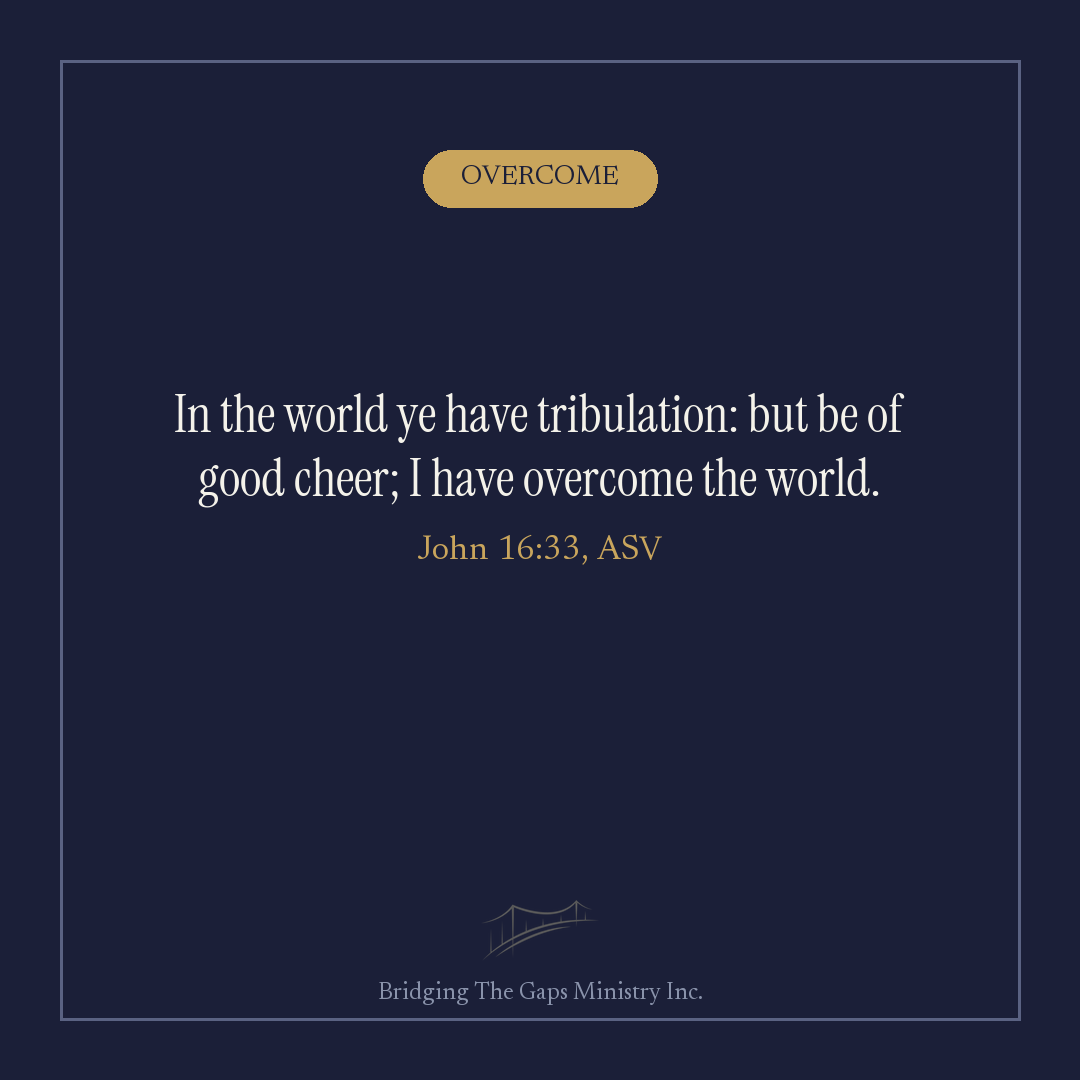
Jesus said something close to this to His disciples the night before His arrest: “In the world ye have tribulation: but be of good cheer; I have overcome the world” (John 16:33, ASV). He didn’t tell them the trouble would end. He told them peace was available inside it, because of Him, not because of how the night would go. I said more about what that means for what you’re carrying right now in this week’s Faith for the Week.
That’s the whole difference. Peace doesn’t ask your circumstances to change first. Numbness only works if you stop noticing them.
The difference under pressure
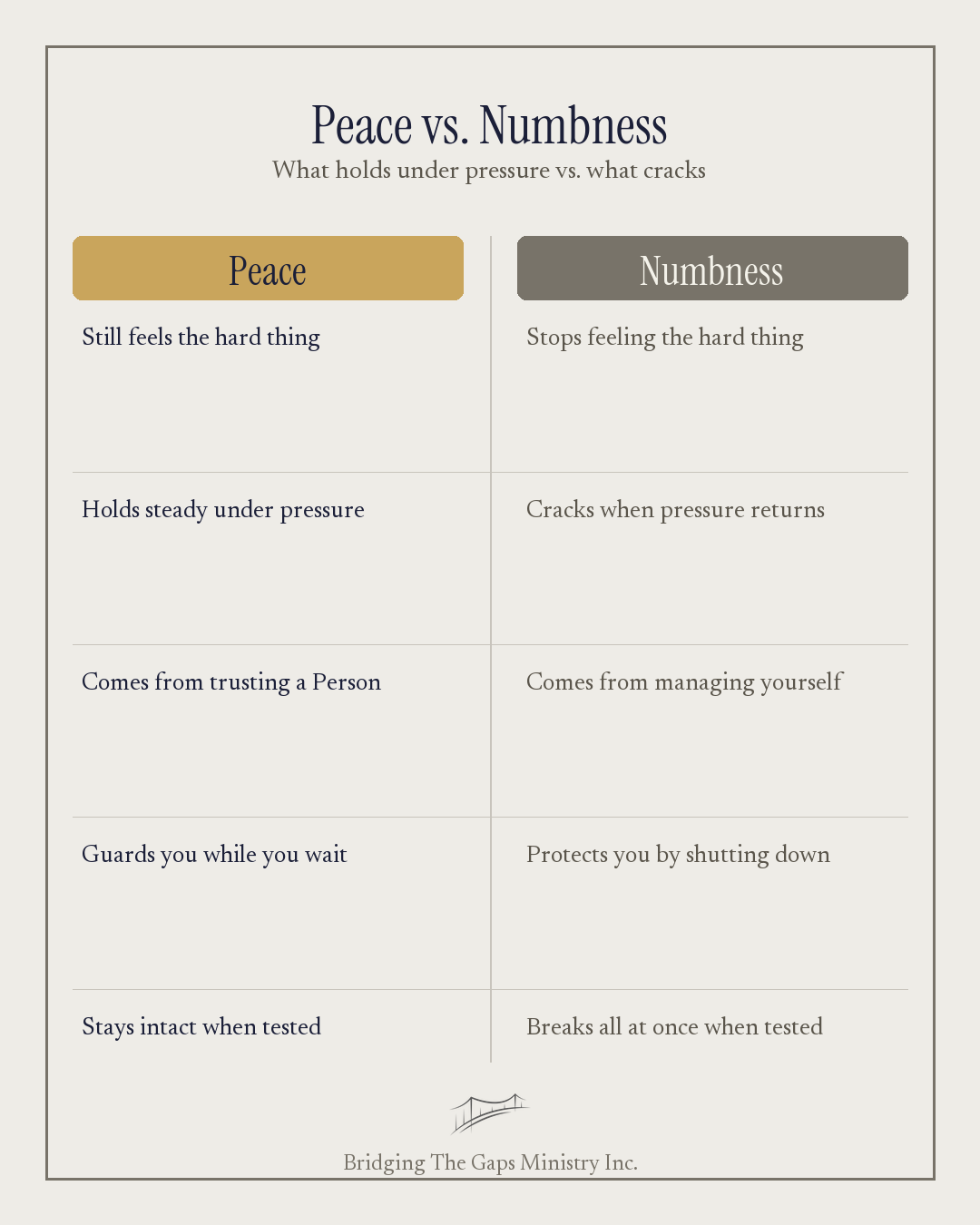
Here’s a way to actually test which one you’re carrying: watch what happens when the pressure comes back.
Real peace can take a hit and stay standing, because it was never built on the absence of trouble. Something hard happens, and you feel it, you’re not protected from that, but underneath the feeling, something steadier holds. You can be sad and secure at the same time. You can be disappointed and still not afraid.
Numbness doesn’t hold the same way. It’s brittle, because it was built entirely on not feeling the thing. The moment something breaks through, a phone call, a memory, a small kindness that catches you off guard, the numbness cracks all at once, and everything you weren’t feeling shows up at the same time. That’s not backsliding. That’s just what happens when the thing holding you together was never actually holding you. It was hiding you.
Psalm 34:18 puts it plainly: “Jehovah is nigh unto them that are of a broken heart, and saveth such as are of a contrite spirit” (ASV). Notice what that verse doesn’t say. It doesn’t say God is near to the people who stopped feeling the break. He’s near to the broken-hearted, the ones still feeling it, who let Him get close to the actual wound instead of numbing past it.
What it looks like to choose peace instead of numbing out
You don’t fix numbness by trying harder to feel something. That usually backfires, because forcing feeling is just another form of managing yourself instead of bringing yourself to God. The way back in is smaller than that.
It starts with naming what’s actually true, out loud or on paper, instead of managing it silently. Not the polished version. The real one: I am scared this isn’t going to work out, and I’ve been pretending I’m not. That single honest sentence does something numbness can’t survive, because numbness depends on the feeling staying unnamed.
From there, it’s the practice Paul actually describes in Philippians, not stop being anxious, which nobody can just decide to do, but in everything, by prayer and supplication with thanksgiving, let your requests be made known unto God. Not managed. Made known. Said to Someone, specifically, instead of buried where even you can’t quite find it anymore.
That’s slower than numbing out. It doesn’t shut the feeling off, at least not right away. But it’s the version that’s still standing when the pressure comes back, because it was never asking you to stop feeling in the first place. It was asking you to stop carrying it alone.
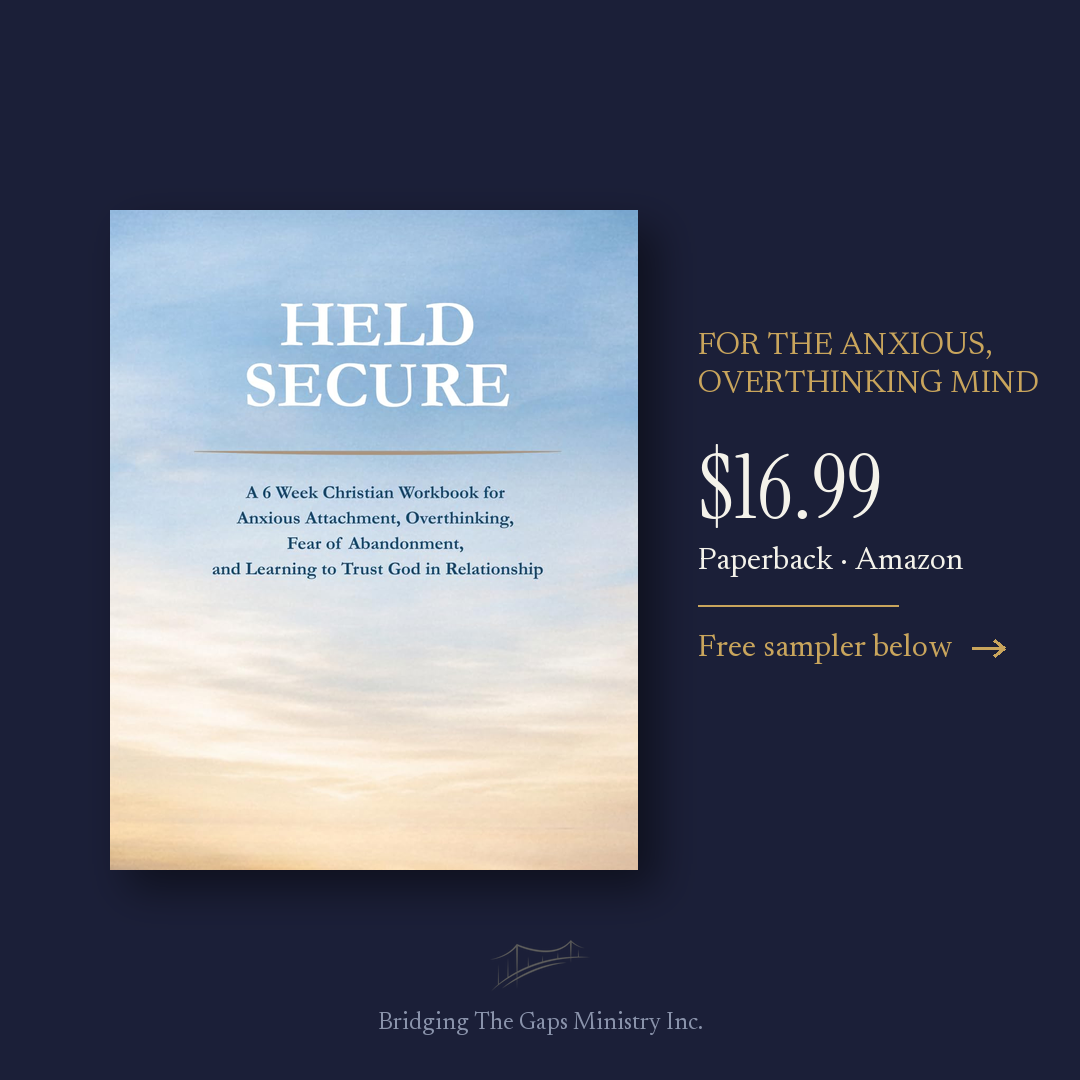
If naming it out loud feels like too big a first step, Held Secure was built for exactly that on-ramp: one scripture and one small daily practice at a time, for the mind that’s been managing itself for a long time and is tired of it.
Common questions about peace and numbness
Is it wrong to feel numb sometimes? No. Numbness usually isn’t a moral failure. It’s often what a mind does after too long spent on alert. Noticing it is the first step, not something to feel guilty about.
How do I know if I’m at peace or just not feeling anything? Watch what happens under pressure. Peace tends to hold steady when something hard happens; numbness tends to crack all at once. If you can’t remember the last time you actually felt something, that’s worth paying attention to.
Does the Bible say I shouldn’t feel anxious at all? No. Philippians 4:6-7 doesn’t say don’t feel anxious, it says bring what you feel to God instead of carrying it alone. Scripture consistently makes room for real feeling; it just asks you not to manage it by yourself.
What’s a small first step if I think I’ve been numbing instead of trusting? Name one true thing out loud or on paper, specifically, instead of managing it silently. That single honest sentence is usually the whole first step.
Where can I go deeper on this? Held Secure is a free sampler built around exactly this: one scripture and one small practice at a time for an anxious, overthinking mind.
Father, You already know what I’ve been managing instead of bringing to You. Thank You that Your peace doesn’t need my circumstances to change first. Help me stop hiding the feeling and start bringing it to You instead. In Jesus’ name, Amen.
Which one have you been carrying lately, peace, or something that just looks quiet from the outside? Tell me below.
You might also want to read What to Do When You Can’t Pray and The Text That Never Comes.